Network Integration Planning
Map the chains, assets and dependencies in the proposed product journey before selecting integration paths.

ZKsync Hyperchain services focused on Elastic Network integration, cross-chain application flows, monitoring and staged migration.
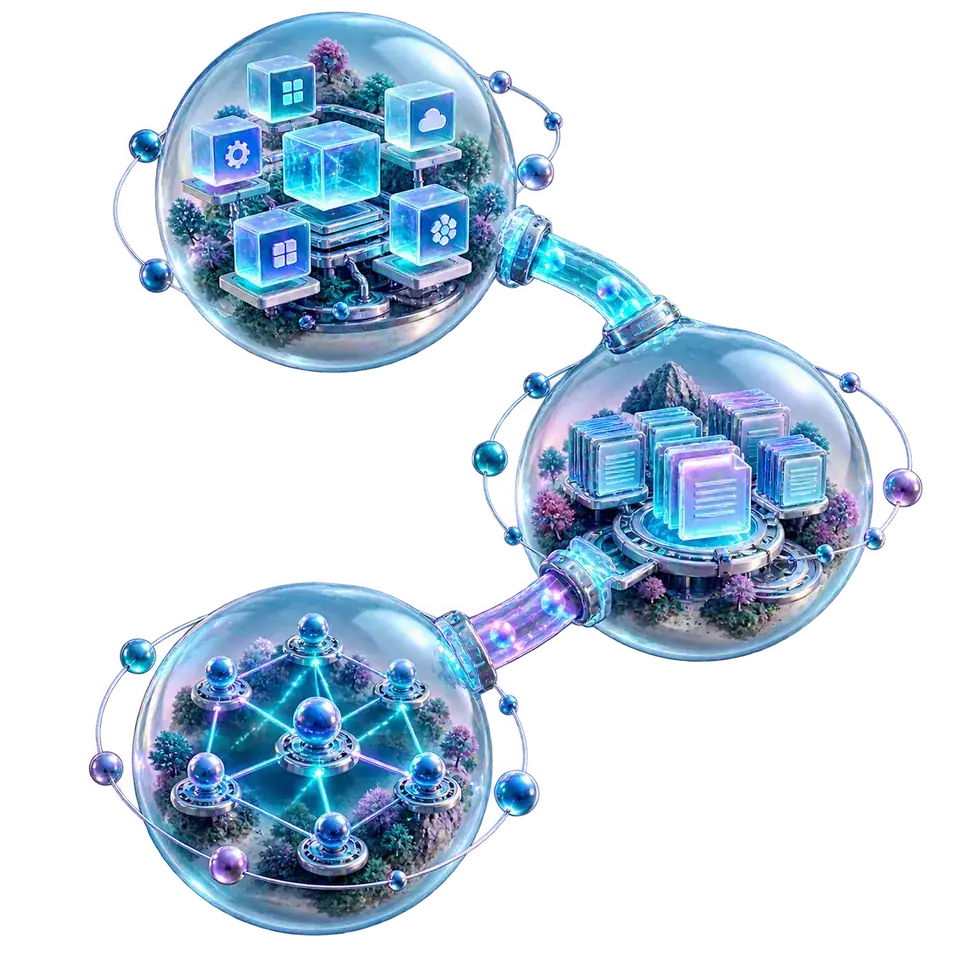
Map the chains, assets and dependencies in the proposed product journey before selecting integration paths.
Design transaction tracking and application screens for pending, completed and interrupted operations.
Connect indexed events and application records so support teams can investigate incomplete journeys.
Rehearse environment changes and stage adoption with rollback criteria and operating documentation.
We choose the implementation tools after confirming the architecture and integrations.
A multi-chain product needs consistent user-facing status, clear asset accounting and a defined recovery path. This service focuses on those connections: how your application tracks a request across environments, detects a partial failure and helps the user reach a supported outcome.
Agree the destination-side evidence required before the application presents a cross-chain action as complete.
Define retry, escalation and reconciliation responsibilities for each supported integration.
Coordinate a product that exposes services or assets across more than one ZKsync chain.
Evaluate adding another network connection without disrupting the existing application.
Assess an earlier Hyperchain plan against current ZK Stack and Elastic Network documentation.
Map each supported cross-chain journey and its failure states.
Define destination confirmation, indexing and reconciliation requirements.
Integrate chain connections and build clear user-facing transaction status.
Test interruptions, duplicate events and inconsistent indexer responses.
Roll out in stages with support playbooks and operational measurements.
Current ZKsync documentation describes ZKsync chains and the Elastic Network. We keep this service name for continuity while assessing implementation choices against the current documentation.
No. Timing, availability and trust assumptions depend on the integration. We document those limits and test the supported paths rather than promising universal, instant interoperability.
Tell us what you want to build. We’ll help define the next practical step.