Rollup Assessment
Compare supported frameworks against execution needs, settlement choices and operator capacity.

Rollups-as-a-service engineering for deployment, sequencing, data publication and monitoring, with clear ownership and ongoing support boundaries.
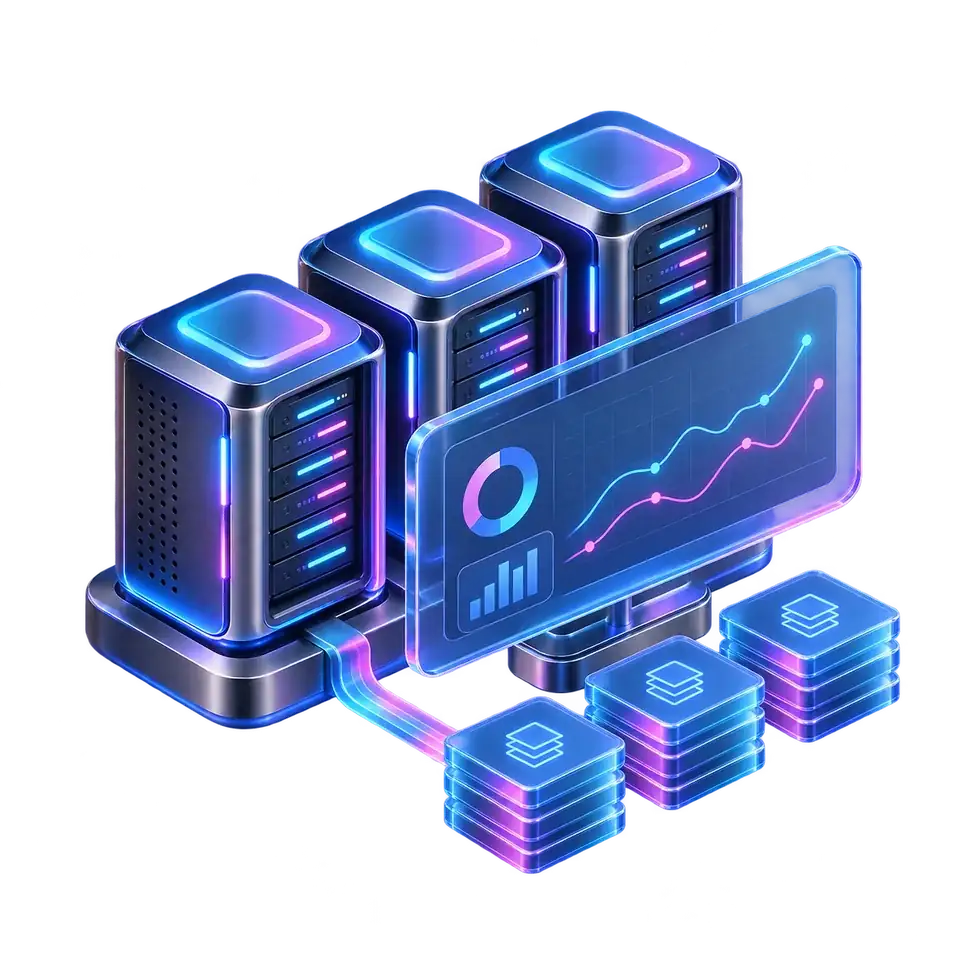
Compare supported frameworks against execution needs, settlement choices and operator capacity.
Prepare repeatable environments, chain configuration and controlled release procedures.
Configure the components required by the selected stack, with explicit ownership and access controls.
Connect application access and transaction visibility to the network's operating plan.
Track critical services, submission delays and dependencies with actionable alerts.
Define upgrades, backups, incident handling and the boundaries of any ongoing service agreement.
We choose the implementation tools after confirming the architecture and integrations.
Plan the services and ownership needed to run your rollup.
Nodes and transaction processing
Ordering and submission responsibilities
Data and settlement submissions
RPC, indexing and explorer services
Alerts, incident handling and recovery
Upgrades, keys and dependency reviews
Document application needs, budget boundaries and operator responsibilities.
Choose the framework and specify settlement and data dependencies.
Automate deployment and configure the required network services.
Rehearse outages, restoration, upgrades and alert escalation.
Launch with operating documentation and an agreed maintenance scope.
The scope names the operator of each service and the party responsible for responding when it fails. Infrastructure costs, external providers and post-launch support are made explicit.
Which supported release and license will the stack use?
Who controls deployment keys and administrative permissions?
Which service objectives and recovery procedures are agreed?
How will upgrades and ongoing costs be managed?
Dedicated execution for a product with justified requirements.
A controlled network for developer onboarding and integration.
Evaluate a rollup architecture before wider deployment.
Move from a prototype to documented operations.
No. Hosting, third-party fees and managed operations are defined in the quotation and service agreement.
Yes, if that is the agreed model. Handover can include configuration, deployment instructions and operational training.
No. Sequencing, upgrades and other controls must be evaluated separately. We document the actual operating model.
Tell us what you want to build. We’ll help define the next practical step.